
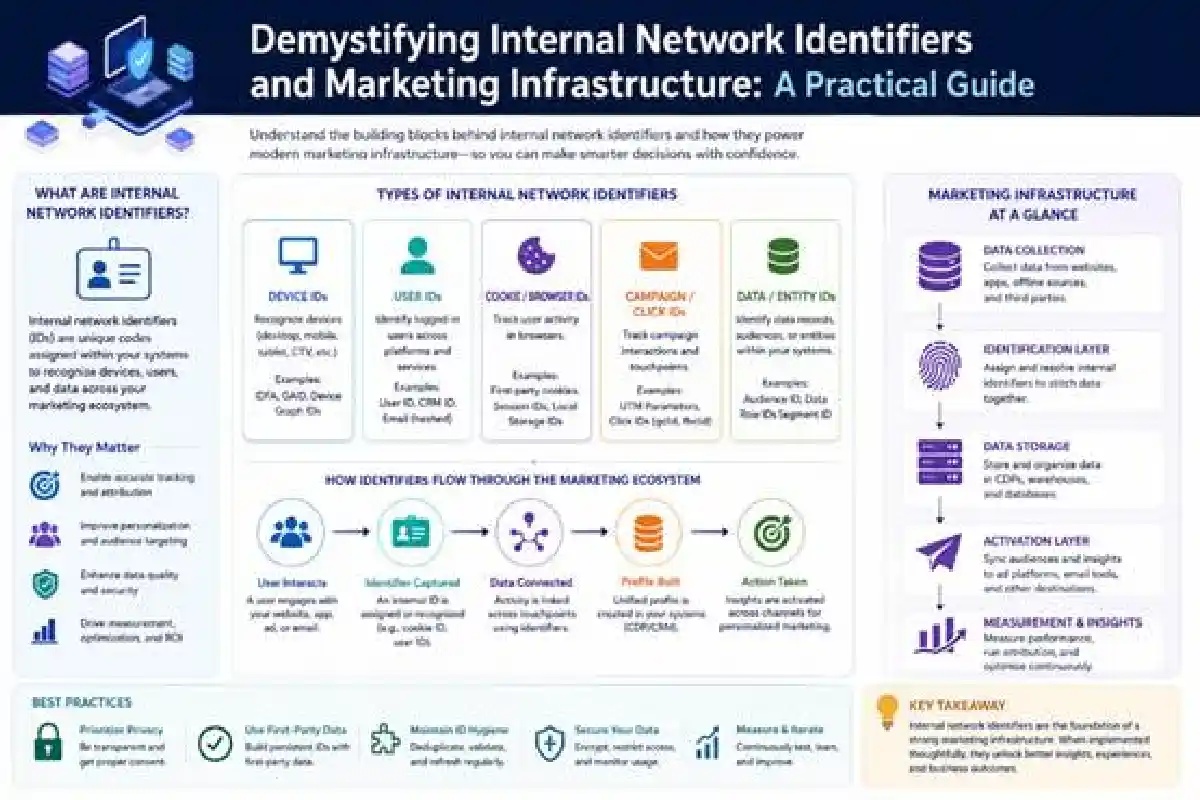

Introduction
Modern marketing campaigns rely heavily on underlying technical infrastructure. When marketers look at server setups, analytics tracking, or local staging environments, numerical references often appear in configuration files. A specific example of a private network reference is 10.24.1.533, though standard IPv4 rules technically limit octets to values between 0 and 255. Local addressing plays a foundational role in how digital assets are developed, tested, and deployed before reaching public audiences.
Understanding these technical layers helps marketing teams communicate effectively with developers and IT specialists. Technical audits, site speed assessments, and tracking implementations all intersect with server architecture. This guide explores the relationship between local network configurations, technical SEO, and marketing operations. By bridging the gap between creative strategy and backend execution, teams can streamline workflows and prevent costly launch errors.
Campaign success often hinges on how well these backend systems are managed. Whether reviewing tracking pixels or analyzing server response headers, a basic grasp of infrastructure empowers marketers to troubleshoot minor issues independently. Maintaining awareness of how local configurations function ultimately leads to smoother collaboration across departments.
Understanding Network Basics and Local Addressing
Before pushing a new campaign live, development teams typically build and test web pages on local staging servers. These environments use private IP ranges to ensure that work-in-progress content remains hidden from search engine crawlers and the general public. References resembling 10.24.1.533 often point toward internal routing configurations or documentation placeholders used within corporate networks.
Private IP blocks are designated for internal communication within a closed network. They cannot be routed directly over the public internet without network address translation (NAT). For marketing professionals, recognizing these distinctions prevents common errors, such as accidentally linking to a staging URL in an email campaign or public advertisement.
Network security and proper isolation prevent sensitive data leaks prior to an official product launch. IT departments enforce strict rules regarding who can access these environments. When marketers understand these boundaries, they can better coordinate with developers to ensure timely, secure rollouts.
The Role of Staging Environments in Marketing Quality Assurance
Staging servers allow teams to review landing pages, test tracking pixels, and verify form submissions before public release. Ensuring that internal links point to production domains rather than local endpoints is a critical step in pre-launch checklists.
| Environment Type | Typical URL Structure | Primary Marketing Purpose |
|---|---|---|
| Local Development | http://localhost or internal IP | Initial coding and layout building |
| Staging Server | subdomain.staging-example.com | Client review and QA testing |
| Production Server | https://www.example.com | Live customer acquisition and SEO |
Connecting Server Infrastructure to Marketing Workflows
Server configuration directly impacts search engine optimization and user experience. Factors such as hosting reliability, response time, and secure socket layer implementation influence how search engines crawl and index digital properties. While marketers rarely configure routers directly, understanding server response headers and DNS settings ensures better collaboration with technical teams.
When migrating a website or updating a content management system, proper redirection rules must be applied. Technical SEO audits frequently uncover broken internal links or misconfigured canonical tags that stem from environment transitions. Maintaining a clear separation between development networks and live production sites safeguards brand reputation and data integrity.
Furthermore, page load speeds are heavily dependent on server performance. Slow hosting environments can significantly increase bounce rates, undermining paid advertising efforts and organic search rankings alike. Collaborating closely with web administrators ensures that the technical foundation supports overall business goals.
Checklist for Transitioning Content from Staging to Production
- Verify that all absolute URLs point to the live domain rather than internal testing paths.
- Confirm that robots.txt files allow search engine indexing on the production server.
- Check that analytics and conversion tracking pixels fire correctly on the live URL.
- Ensure SSL certificates are active and secure across all main landing pages.
Best Practices for Secure Local Network Management
Organizations must maintain strict security protocols around their internal networks and server environments. Access controls, firewalls, and regular permission audits protect sensitive marketing data, proprietary campaign strategies, and customer lists from unauthorized access.
When remote team members access internal resources or staging servers, virtual private networks (VPNs) and multi-factor authentication provide essential layers of security. Documenting network topologies and keeping server configurations up to date reduces administrative overhead and minimizes downtime risks.
Proactive monitoring of network logs helps IT staff detect anomalies early, preventing potential breaches before they affect live operations. A secure network is the backbone of any reliable digital marketing strategy, ensuring that customer trust remains unbroken.
Frequently Asked Questions
What is a private IP address used for?
Private IP addresses are used within local area networks (LANs) to allow devices to communicate with one another securely without being directly exposed to the public internet.
Why do staging links sometimes appear in marketing audits?
Staging links typically appear in audits when developers or content creators accidentally use local absolute URLs instead of relative paths or production domains during content migration.
How does server infrastructure affect SEO?
Server infrastructure influences site speed, uptime, and crawlability. Search engines favor fast, reliably hosted websites that deliver a consistent user experience.
Is an identifier like 10.24.1.533 a valid IP address?
Standard IPv4 addresses consist of four octets ranging from 0 to 255. Values outside this range, such as 533, are generally used as placeholder values in technical documentation or misconfigured routing scripts.
Conclusion
Technical awareness bridges the gap between creative marketing strategy and backend execution. By understanding how local networks, staging environments, and production servers interact, marketing teams can avoid common deployment errors and ensure smooth campaign launches. Recognizing placeholders or test addresses like 10.24.1.533 helps prevent embarrassing broken links in public advertisements.
Clear communication between marketing, development, and IT departments remains the foundation of a robust digital presence. When everyone shares a common understanding of the infrastructure, projects run more efficiently and deliver stronger results for the business.
Related Guides
Explore more useful resources related to this topic:

