

Navigating Technical Resources
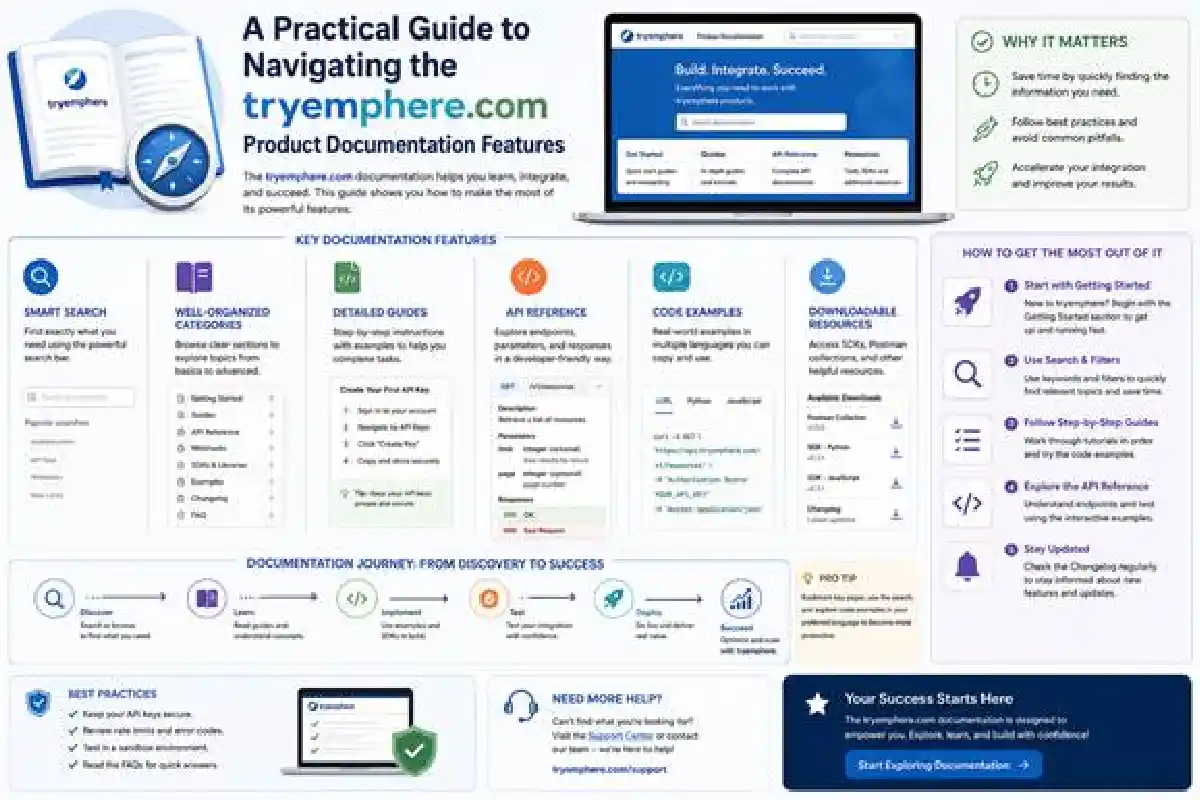
When you are evaluating digital platforms, robust documentation is essential for a smooth implementation. Taking a close look at the tryemphere.com product documentation features helps teams understand how technical guides, user manuals, and API references are structured. Clear documentation reduces integration friction and ensures that your staff can deploy tools efficiently without having to rely entirely on external support channels.
Evaluating resource libraries requires a systematic approach. Digital marketers and developers often look for searchable indexes, version control logs, and code snippets that illustrate real-world application. Well-organized guides typically feature hierarchical menus that separate beginner tutorials from advanced configuration instructions, making it easier for everyone on the team to find what they need right away.
Evaluating Information Architecture
The layout of a knowledge base dictates how quickly users can resolve operational hurdles. Effective platforms organize content by user roles, such as administrators, developers, or end-users. When exploring the tryemphere.com product documentation features, take note of whether the search functionality handles long-tail technical queries accurately or if it requires exact keyword matches.
Furthermore, documentation quality often reflects overall platform maturity. Outdated guides or broken links can signal maintenance gaps. Establishing a routine review of these help desks ensures that your operational workflows remain aligned with current software releases and security requirements.
Core Functional Specifications
Technical reference guides typically break down software capabilities into distinct modules. Understanding these modules allows marketing operations teams to map software functions directly to campaign requirements or complex technical workflows.
Below is a summary of typical functional elements found in comprehensive technical libraries:
| Documentation Component | Primary Purpose | Target Audience |
|---|---|---|
| Getting Started Guides | Initial account setup and basic configuration | New users and administrators |
| API Reference | Detailed endpoints, parameters, and payloads | Developers and technical integrators |
| Release Notes | Documentation of recent updates and bug fixes | All active system users |
| Troubleshooting FAQs | Resolving common error codes and edge cases | Support staff and system operators |
When studying the tryemphere.com product documentation features, pay close attention to how API limits and data retention policies are documented. Platform rules regarding data handling can change over time, making it vital to cross-reference static help articles with live developer portals.
Structuring Implementation Checklists
Translating written documentation into a functional checklist helps prevent configuration errors during rollout. Consider the following steps when adopting a new tool:
- Verify account permissions and user roles before initiating setup.
- Review security documentation and compliance certificates.
- Test basic integrations in a staging environment if available.
- Document internal workflows based on the official guidelines.
Verification and Safety Checks
Encountering unfamiliar domains or specialized software requires careful due diligence. Before integrating new technologies into active marketing stacks, teams must verify ownership, review privacy policies, and check for secure connection protocols.
When researching platforms like tryemphere, identity uncertainty is common if the brand is relatively new or operates in a niche vertical. Establishing safety protocols protects organizational data and maintains brand integrity across all departments.
Steps for Safer Tool Verification
- Domain Inspection: Check domain registration details and SSL certificate validity.
- Privacy Assessment: Read the terms of service and data processing agreements carefully.
- Third-Party Validation: Look for independent software reviews or technical analyses from reputable tech publications.
By keeping these verification steps in mind while reviewing the tryemphere.com product documentation features, technical managers can make informed decisions without taking unnecessary operational risks.
Frequently Asked Questions
What should I look for first in technical documentation?
Start with the getting started guide and quick-start tutorials to understand the fundamental architecture before diving into advanced API references.
How often are digital platform guides updated?
Update frequency varies by provider. Always check the release notes or version history date stamps to confirm that the instructions apply to the current software iteration.
Why is domain verification important during software adoption?
Verifying domain authenticity and security credentials protects your infrastructure from potential vulnerabilities and ensures compliance with internal data governance standards.
Where can I find tryemphere.com product documentation features?
You can usually find these resources directly on the official platform website through the main navigation menu, help center links, or dedicated developer portal sections.
Conclusion
Thorough evaluation of technical guides supports stable and secure deployments. By systematically analyzing resources, checking platform specifications, and maintaining rigorous safety protocols—while keeping an eye on the tryemphere.com product documentation features—marketing and technical teams can integrate new tools with complete confidence.
Related Guides
Explore more useful resources related to this topic:
- Navigating Web Promotion: A Strategic Review of webbizmagnet .com and Digital Visibility
- Uncovering the Industry Behind Domain Names: A Practical Guide
- Verifying Company Headcounts: Understanding the Data Behind the Number of Employees at Petleyhare.com
- Understanding keystonecollects com: Digital Identity, Safety, and Strategic Evaluation

