

Evaluating Regional Domain Assets and Corporate Portals
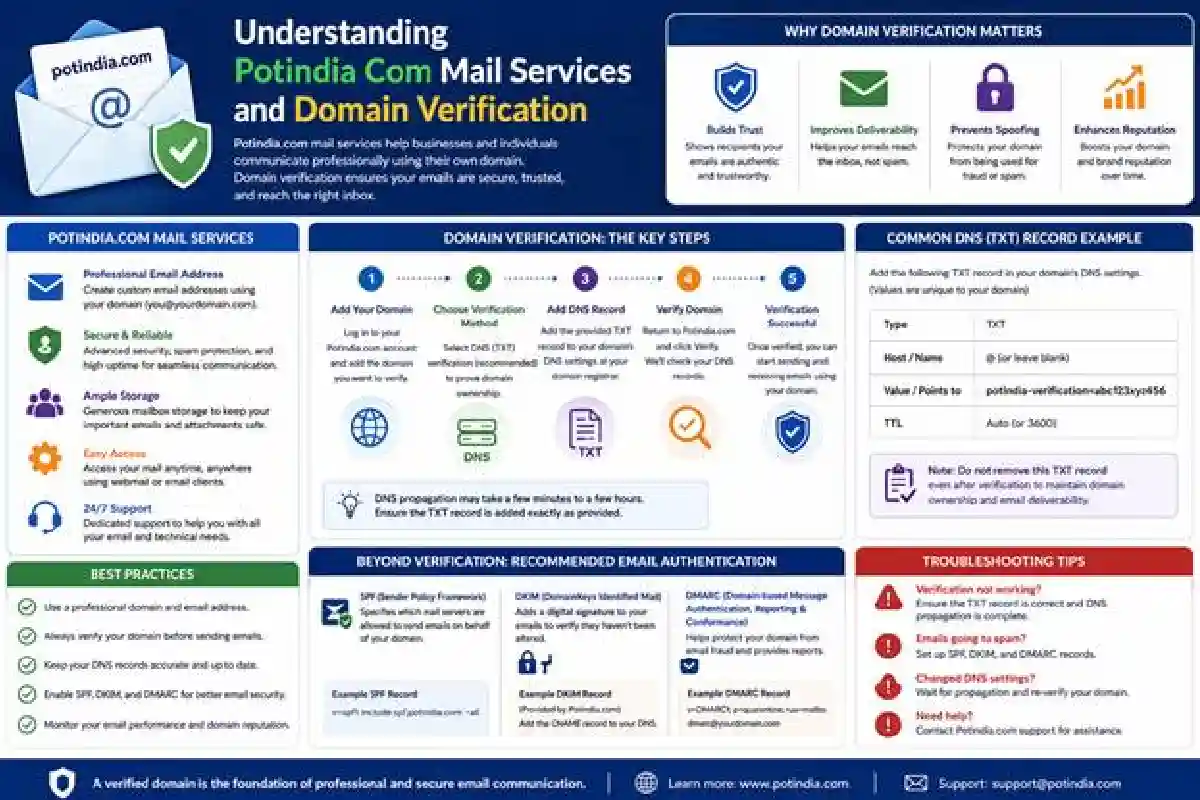
Navigating corporate communication channels often requires checking specific domain extensions and mail server setups. When you encounter unfamiliar addresses, such as mail potindia com, digital administrators and everyday recipients alike need to establish authenticity right away. Domain verification prevents phishing attempts and ensures that correspondence actually originates from legitimate organizational servers rather than clever spoofed accounts.
Business communication security relies heavily on clear record configurations like SPF, DKIM, and DMARC. These Domain Name System protocols protect brand reputation and safeguard recipients against malicious actors looking to intercept sensitive data. Below is a structured checklist designed to help technical teams evaluate unfamiliar domains safely and efficiently.
Beyond technical records, human vigilance plays a massive role in day-to-day email safety. Employees should be trained to spot minor discrepancies in sender addresses, unusual tone of voice, or unexpected requests for credentials. When a corporate portal requires login credentials, double-checking the browser address bar for correct spelling and active SSL encryption is a non-negotiable habit for keeping networks secure.
Checklist for Domain and Mail Server Assessment
- WHOIS Lookup: Check domain registration details, creation dates, and administrative contacts to establish a baseline of legitimacy.
- MX Record Analysis: Review mail exchange records to confirm whether the domain utilizes reputable enterprise hosting providers.
- SSL Certificate Inspection: Verify that web-based login interfaces maintain active encryption certificates from trusted Certificate Authorities.
- Direct Confirmation: Contact the organization through verified alternative telephone numbers or official websites before sharing sensitive corporate data.
Security Checklists for Business Email Infrastructure
Establishing robust inbound and outbound mail parameters protects sensitive corporate data from unauthorized leaks. Organizations utilizing portals connected to mail potindia com should implement strict multi-factor authentication policies for all authorized users. Relying purely on basic password protection leaves enterprise networks vulnerable to modern credential stuffing attacks.
Platform rules and spam filters update frequently across major email service providers. Consequently, administrators must monitor bounce rates, delivery failures, and potential blacklisting events on a regular schedule. The following comparison highlights key elements of secure business email management versus casual setup practices.
| Parameter | Basic Setup Approach | Secure Enterprise Standard |
|---|---|---|
| Authentication | Standard username and password | Multi-Factor Authentication (MFA) enforced |
| DNS Records | Basic A records only | Complete SPF, DKIM, and DMARC configuration |
| Monitoring | Reactive troubleshooting | Proactive delivery and threat log analysis |
When dealing with regional portals, it is essential to remember that identity uncertainty remains common online. If corporate affiliation cannot be verified independently, you should refrain from clicking embedded links or downloading unexpected attachments. Standard cybersecurity hygiene dictates treating all unverified inbound communications with a healthy dose of caution.
Furthermore, regular security audits can uncover hidden vulnerabilities in how mail servers handle relay requests and user permissions. IT teams should conduct routine penetration testing and review user access logs to ensure that former employees or inactive accounts no longer pose a risk to the infrastructure.
Frequently Asked Questions Regarding Portal Access
Users frequently encounter login errors or administrative blocks when accessing corporate webmail systems. Addressing these technical queries requires understanding standard email protocols and browser compatibility guidelines.
What should I do if the mail server is unreachable?
First, verify your local internet connection and check if the domain’s DNS settings are resolving correctly. Temporary outages often occur during scheduled server maintenance periods.
How can I confirm if an email address is authentic?
Check the full email header for routing anomalies. Ensure the domain matches official corporate documentation rather than a misspelled variation designed to deceive you.
Are browser cache issues responsible for login failures?
Yes. Clearing browser cookies and cache frequently resolves persistent redirection loops on webmail login pages.
How does mail potindia com fit into broader communication strategies?
It serves as a specific touchpoint for regional correspondence, requiring standard organizational verification, updated DNS security records, and careful administrative oversight to ensure seamless delivery.
In summary, managing communication channels effectively involves balancing operational accessibility with strict security measures. Whether you are evaluating mail potindia com or any other corporate portal, maintaining verification vigilance protects organizational assets and ensures reliable information exchange for everyone involved.
Related Guides
Explore more useful resources related to this topic:
- Evaluating Follower Growth Services and Platform Risks
- Navigating Web Promotion: A Strategic Review of webbizmagnet .com and Digital Visibility
- Uncovering the Industry Behind Domain Names: A Practical Guide
- Verifying Company Headcounts: Understanding the Data Behind the Number of Employees at Petleyhare.com

