
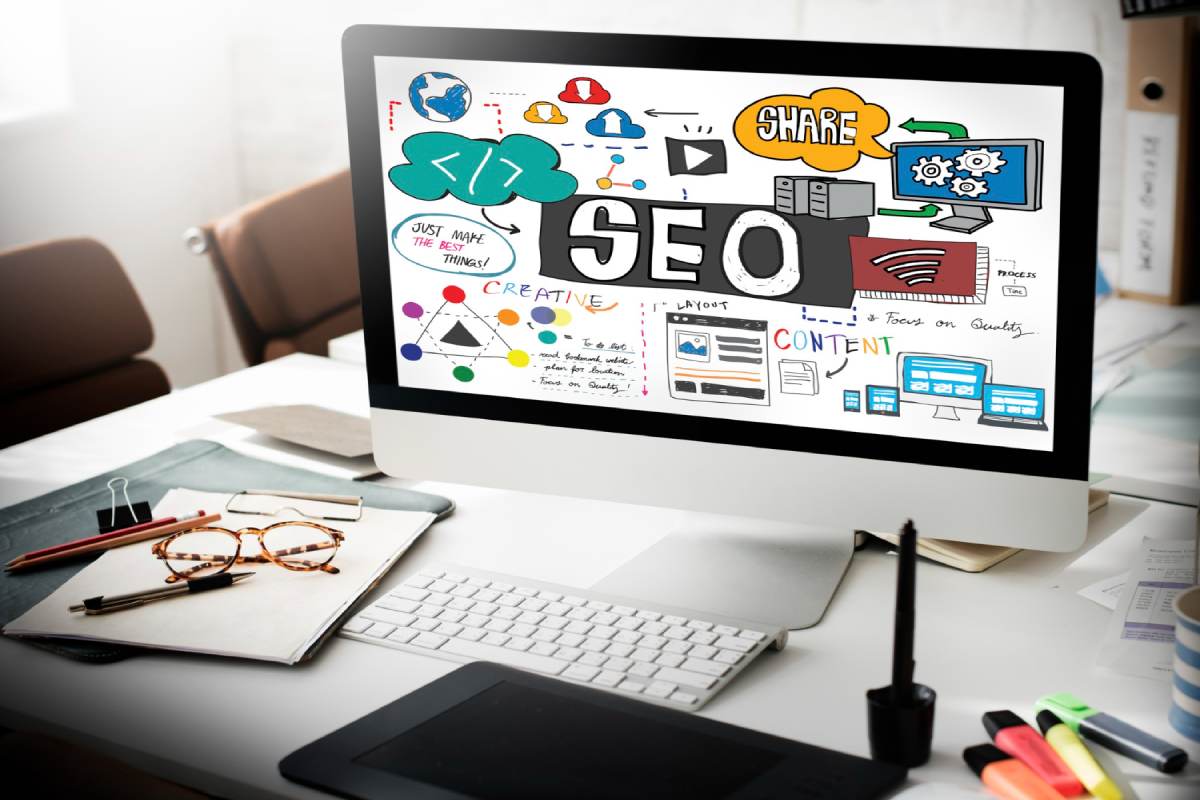

Web design has evolved far beyond mere aesthetics and layout. Today’s online environment demands that websites be intuitive, responsive, solve problems, and quickly provide users up with the right information. Search intent (what people are looking for when they enter a query into a search engine) is now the focal point of successful web design. If a website doesn’t get this right, it’s going to miss out on a lot of traffic, and won’t be able to convert those visitors into paying customers.
Search intent affects not just the way a website is laid out, but its navigation, the depth of its content, and even its visuals. Companies that take the time to align their web design with search intent, position themselves to meet users at the exact moment of need. Effective SEO web design from agencies such as Animus Digital isn’t just sending traffic to a website; it’s about satisfying the user’s needs with a logical, intuitive experience.
Understanding Search Intent and User Motivation
Search intent is essentially what users are after when they use search engines to find something online. Websites that don’t get this right will miss out on tons of traffic and will fare poorly at converting visitors into customers. Search intent affects everything from page layout and navigation to content depth and even visual elements, making it a fundamental element of SEO-driven web design. When businesses prioritize websites that are tuned in to search intent, they’re poised to meet users at the exact moment they need something.
When this happens, visitors are more engaged, bounce rates drop and conversions go up. Pages need to be built with what the user is looking for in mind, and the search intent dictates that informational queries require crystal-clear headings and detailed explanations. Transactional queries need strong calls to action and trust signals, while navigational searches need clean-cut routes to exactly where they need to go.
Enhancing User Experience to Support Search Goals
Search intent and user experience go hand-in-hand, but if a page loads slowly, sends users on a wild goose chase for information, or presents them with complicated layouts they don’t want to deal with, they’ll leave – even if the content technically answers their question.
Quality SEO web design is the way to improve this, through quicker load times, mobile-friendly layouts, intuitive navigation, and crystal-clear call-to-action buttons. The easier it is for users to achieve their objectives, the more trust they build with the website, and the higher the conversion rates.
Optimizing Content for Intent, Not Just Keywords
When creating a website, you need to cut right to the chase, addressing the user’s question and backing up your claims with expert information. Essentially, blogs need to be comprehensive, service pages must be clear-cut, and product pages need to have all the details that people want to know before they make a decision.
Search Intent as the Engine Behind Smart SEO Web Design
By cutting through all the noise, structuring content in a logical way, smoothing out usability issues, and sending users in the right direction with clear visual cues, websites can go from being just pages on the internet to a powerful tool that meets people’s needs.
Businesses that adopt intent-driven design benefit from higher search rankings, better engagement metrics, and stronger customer connections. In a digital landscape where users expect instant relevance, aligning design with search intent is not optional – it is essential for long-term online success.
