

Introduction
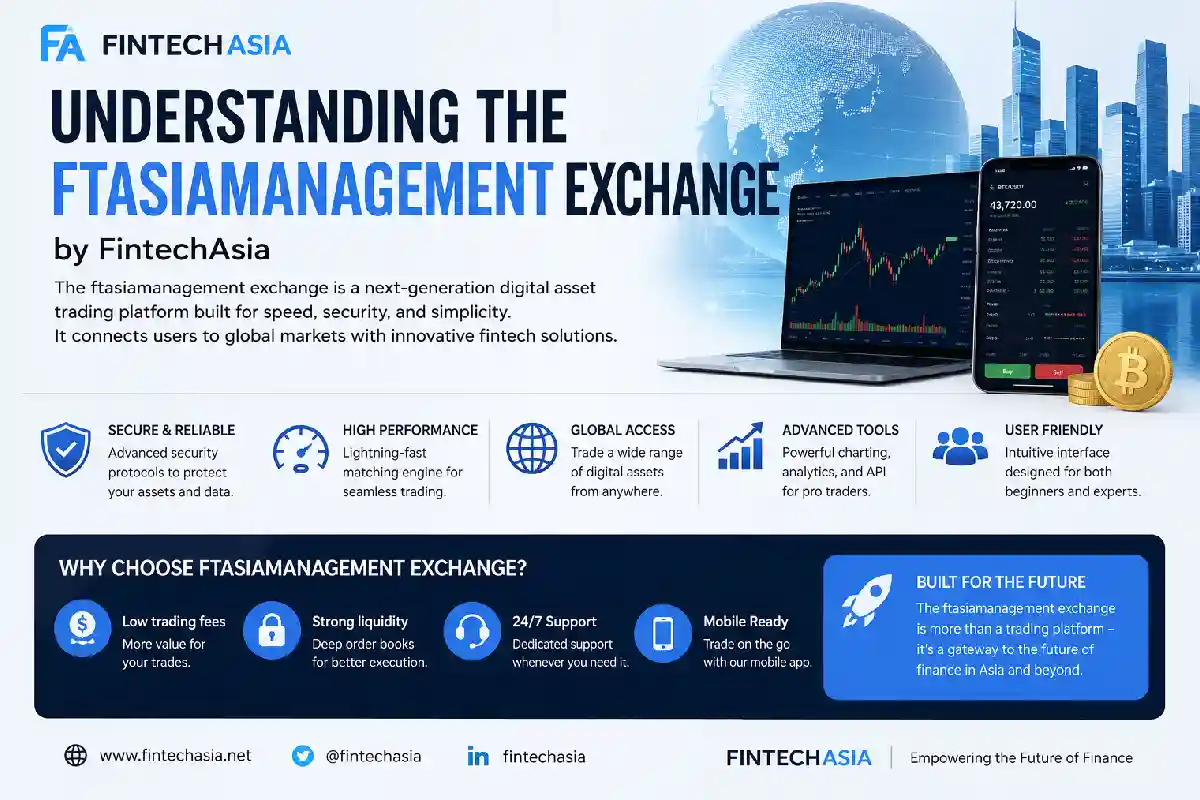
The boundary where technology meets finance continues to transform commercial markets worldwide. Today’s financial ecosystems depend on specialized digital networks to make cross-border collaboration, regulatory alignment, and technical integration run smoothly. Among these networks, specific platforms consistently draw the attention of professionals who monitor regional market developments. This article takes a close look at the structural elements, strategic context, and evaluation criteria associated with the ftasiamanagement exchange by fintechasia.
Getting to grips with specialized digital platforms calls for a clear look at their functional scope, governance frameworks, and operational boundaries. As businesses and financial institutions weigh up different digital service providers, rigorous analysis helps separate actual operational capabilities from pure marketing hype. The sections that follow offer a structured way to assess these platforms within the broader landscape of digital finance and marketing communications.
Core Architecture and Ecosystem Overview
Digital finance networks typically function as multi-sided platforms that bring together institutions, technology providers, and regulatory bodies. The underlying infrastructure of the ftasiamanagement exchange by fintechasia is built to manage complex data flows, compliance checks, and transaction management. To understand this properly, we need to look at how these platforms plug into existing financial channels.
Platform architectures generally break down into three distinct layers: user interfaces, core processing engines, and secure data storage repositories. Each layer plays a specific role in keeping operations reliable and protecting user data. When organizations start working with regional exchange networks, they have to check whether these technical layers match up with their internal security standards.
Key Structural Components
- User Interface Layer: The dashboards and portals that participants use to kick off requests and keep an eye on network activity.
- Processing Engine: The backend logic that handles authentication, data validation, and routing protocols.
- Data Repository: Secure storage systems that stick strictly to regional data protection rules.
Operational Framework and Strategic Analysis
Assessing the practical value of specialized exchanges means looking past the marketing brochures to check real-world utility, integration potential, and support systems. For marketing and communications teams working in finance, grasping what these platforms actually do makes it much easier to shape accurate brand messaging and talk clearly with stakeholders.
Companies thinking about building partnerships or joining a network should use a solid evaluation matrix. The table below gives a side-by-side look at the standard criteria used when vetting digital finance exchange initiatives.
| Evaluation Criterion | Standard Focus Area | Potential Limitation |
|---|---|---|
| Regulatory Compliance | Alignment with regional financial laws | Frameworks change frequently across jurisdictions |
| Interoperability | Integration capacity with existing legacy systems | API compatibility issues may require custom development |
| Data Security | Encryption standards and access controls | Implementation vulnerabilities depend on third-party vendors |
It is important to separate strategic advice in this sector from proven performance evidence. While promotional materials love to talk up speed and seamless connectivity, how well something actually performs depends mostly on how technically prepared the participating organization is. Companies are always wise to run pilot tests or technical audits before putting resources into any new digital platform.
Verification Protocols and Risk Management
Stepping into unfamiliar digital spaces calls for strict verification steps to keep operational and security risks at bay. When looking into entities connected to the ftasiamanagement exchange by fintechasia, practitioners need to put transparent disclosures, independent audits, and verifiable corporate registrations right at the top of their list.
Not knowing who you are dealing with remains a major hurdle in digital finance. Platform operators have to offer clear documentation regarding their jurisdiction, licensing, and data privacy policies. The checklist below lays out practical steps for checking out digital platforms safely:
- Confirm official corporate registration details through authorized government or regulatory registries.
- Review independent security audits and compliance certifications published by recognized third-party agencies.
- Examine the clarity and transparency of terms of service, user agreements, and fee structures.
- Conduct privacy checks to ensure data handling practices comply with local regulations.
Frequently Asked Questions
What is the primary function of the ftasiamanagement exchange by fintechasia?
The platform generally acts as a digital touchpoint or network environment within the wider fintech sector. Its exact operational capabilities depend on current platform updates and user agreements.
How should businesses evaluate regional fintech platforms?
Businesses should review compliance documentation, technical integration requirements, security protocols, and independent third-party audits before engaging with any digital platform.
Are platform performance claims guaranteed?
No. Promotional claims regarding speed, efficiency, or market reach represent strategy recommendations and marketing positioning rather than guaranteed operational results.
Conclusion
Finding your way through modern financial ecosystems takes a balanced mindset that blends technical due diligence, strategic analysis, and careful risk management. While platforms associated with the ftasiamanagement exchange by fintechasia highlight ongoing changes in regional financial technology, participants must hold fast to strict verification standards. By sticking to verifiable operational facts, regulatory compliance, and solid security checks, organizations can make smart choices in a marketplace that grows more digital by the day.
Related Guides
Explore more useful resources related to this topic:

