
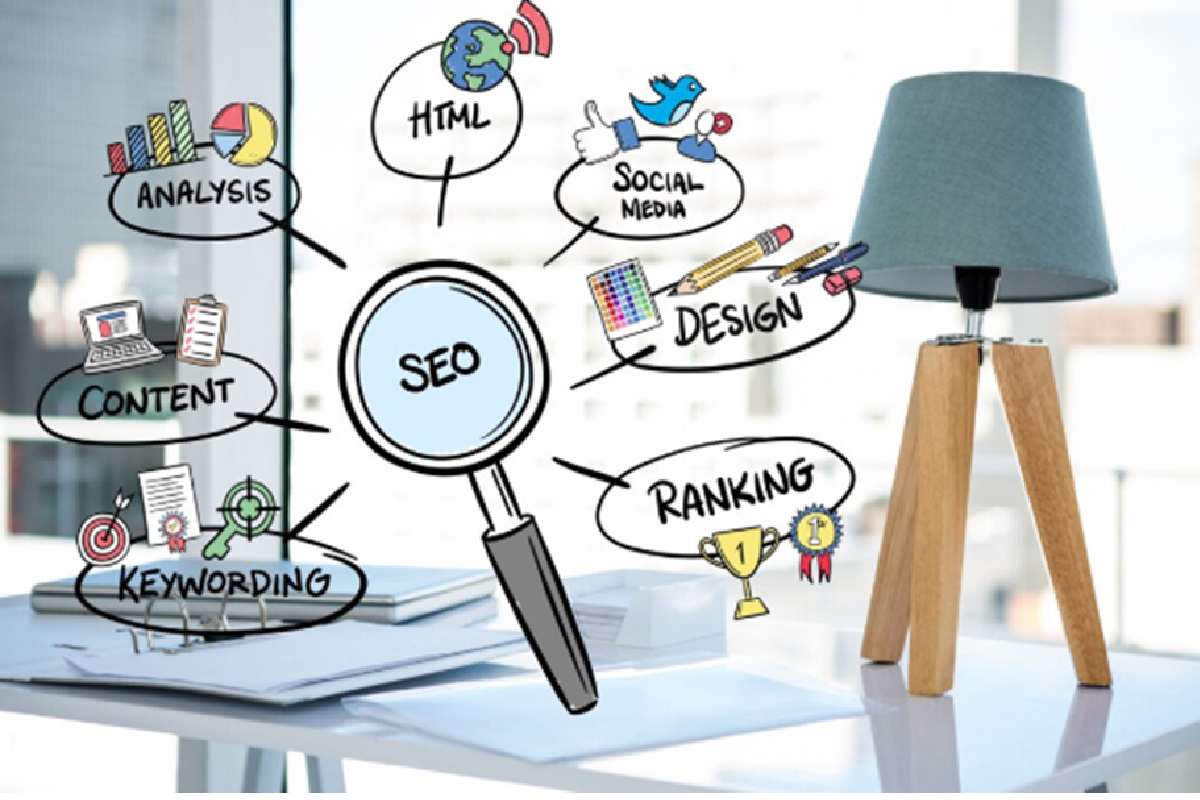

SEO link building is key for any small business aiming to rise in search rankings and win more clicks. When you own a small shop, each click, lead, and sale can help you grow. SEO is a key part of this path. Good links help search engines see your site as a real hub. On the other hand, bad links can drag your rank down.
You must keep in mind that link building is a slow and steady path that requires strong writing, trust, and genuine links with other sites. When you pick the right path and work with a set plan, your site can rise in rank, gain more hits, and draw more leads.
Let us look at the best SEO link-building strategies that small business owners can use to rank their site and build a strong base for long-term growth.
1. Use Premium DoFollow Backlinks
Premium dofollow backlinks tell search engines that your site is one to trust. But not all dofollow links are the same. You want high-quality links from websites with a good reputation, real hits, and niche fit. So you must look for sites in your niche or similar to it.
Keep in mind that if you deal in skin care, a link from a tech blog will not help much. But a link from a skin aid blog or a spa site can give a big lift. However, you should never buy trash links, as search engines can spot them easily. You need quality links that show real trust in your work.
2. Create a Strong Content Foundation
Good link building starts with good content. Without the text base, you do not have much to link to. So you need clear and quality text that can add value. You can use short lines, give tips that help, and add your ideas, steps, and quick wins. You can also write blogs, quick guides, and FAQs. When your content is real, fair, and has good information, it will stand out.
However, the best approach for content is to aim to solve a need. If your text hits a key pain of your users, they will read, share, and stay on your page. This will also help your rank. Long stay time tells search engines that your site is of value. When you have a strong content base, link building gets easier and fun.
3. Find and Fix all Broken Links
Remember, bad links can affect your rankings. Some links go to dead pages, some go to sites that are spam, and some have bad code or have moved but have not been fixed. You need to hunt down all such links and fix them.
You can use different link tools to scan your website. And whenever you find bad links, you can set them to new pages, ask the site to fix the URL, redesign the website, or set a 301 path. Search engines like clean link maps. It helps them visit your site with ease. Moreover, when all links work well, your users also have a good experience.
4. Create Linkable Assets That Stand Out
A linkable asset is a page or post that draws links with ease. It may be a fun data map, a deep guide, a top list, a quiz, a tool, or a checklist. You must think of what your users need. What will help them save time or help them see a path with less pain? You can also add art, stat, or step sets to make your post clearer. Remember, the more use it gives, the more links it can gain.
5. Focus on Relevance
Link building is not just about high reputation or high hits. It is also about niche relevance. Search engines always prefer links that tie one niche to the next. When you reach out to sites for link building, you must keep niche relevance in mind. It will not only improve rankings but also help your users. They will see your site as a real hub in that field. If you run a bakery business, links from food or diet sites help more than links from a game blog.
Niche fit is seen by search engines when they scan the words near the link. They also scan your page text, your tags, and your meta descriptions. So you must stay within your niche and keep your links clean.
6. Improve User Experience
A good user experience is the key to SEO. When your page is slow, or too full, or hard to navigate, users will quit fast. This significantly affects your website’s rank. Search engines and users both want clean sites. They scan the speed, load time, and page layout of your site.
You must make your page lean, use small art files, and cut scripts you do not need. Additionally, keep menus short and make text clear and easy to read. When users can move with ease, they will stay on your page for longer.
